Adam Hayman
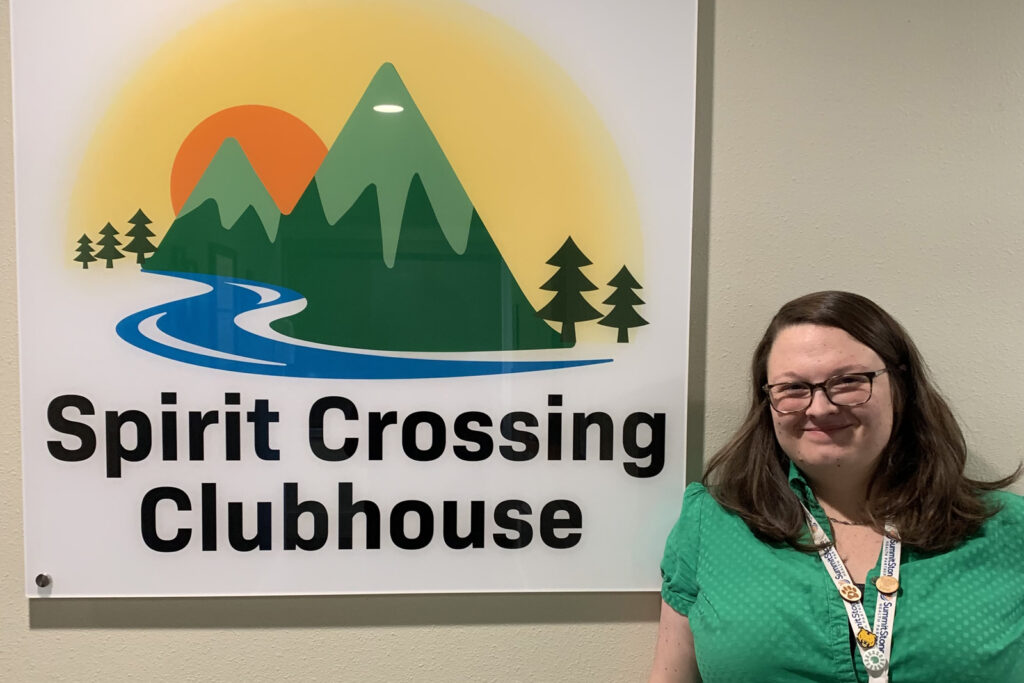
Bailee Ohrablo of SummitStone’s Spirit Crossing Clubhouse works closely with people navigating the job search while also managing mental health challenges. She’s there during the tough stretches, the first interviews, and the early months on the job when things are still fragile and forming.
That work gives her a grounded view of what actually helps work situations stick, where people tend to be hardest on themselves, and how to think about employment in a way that supports long-term wellbeing, not just getting hired.
Let’s get into the interview.
One of the most common things I see is people putting limitations on themselves before anyone else ever does. They start from the assumption that their mental health will automatically make work harder, or that employers won’t be willing to meet them where they are.
A healthier way to approach this is to slow down and look at strengths alongside challenges. Mental health conditions don’t cancel out skills, reliability, empathy, or work ethic. Part of my role is helping people reframe the narrative from “Here’s everything that might go wrong” to “Here’s what I bring to the table, and here’s what I need in order to succeed.”
ob searching is a job in itself, and it can be emotionally exhausting. Rejection, silence, and long stretches of uncertainty can take a real toll, especially for people already managing mental health challenges.
I encourage job seekers to give themselves grace during this process. It’s okay to feel discouraged. What matters is continuing to focus on strengths, taking breaks if needed, and remembering that difficulty during a job search doesn’t mean you’re failing. Sometimes it’s just a long process, and it can take a while for the right things to line up.
Staying connected to a support system makes a huge difference. That might include an employment specialist, a mental health treatment team, trusted friends, or family members.
What’s important is not waiting until something becomes overwhelming. When challenges come up at work, talking them through early often prevents small issues from turning into reasons someone leaves a job. Regular check-ins help people feel less alone and more confident navigating problems as they arise.
I’ve found that employers tend to be more familiar with and receptive to diagnoses like anxiety or depression, while there is still significant stigma and misunderstanding around other mental health conditions.
Disclosure is always the job seeker’s choice. One of the key questions we talk through is whether accommodations are needed. If they are, some level of disclosure is usually required. When disclosure does happen, I recommend sharing the minimum amount of information necessary. You can always provide more context later, but once information is shared, it can’t be taken back.
“If you don’t take time for your wellness, you will be forced to deal with your illness.”
I don’t remember where I first heard that, but it captures something I see often. Meaningful work is important, but it can’t come at the expense of your health. Building routines that support wellbeing isn’t a luxury. It’s what allows people to stay employed, grow, and actually enjoy the work they’re doing.